How to Host a Civil Debate Night in Your Local Pub
October 10, 2026 - Culture


October 10, 2026 - Culture

October 04, 2026 - Media
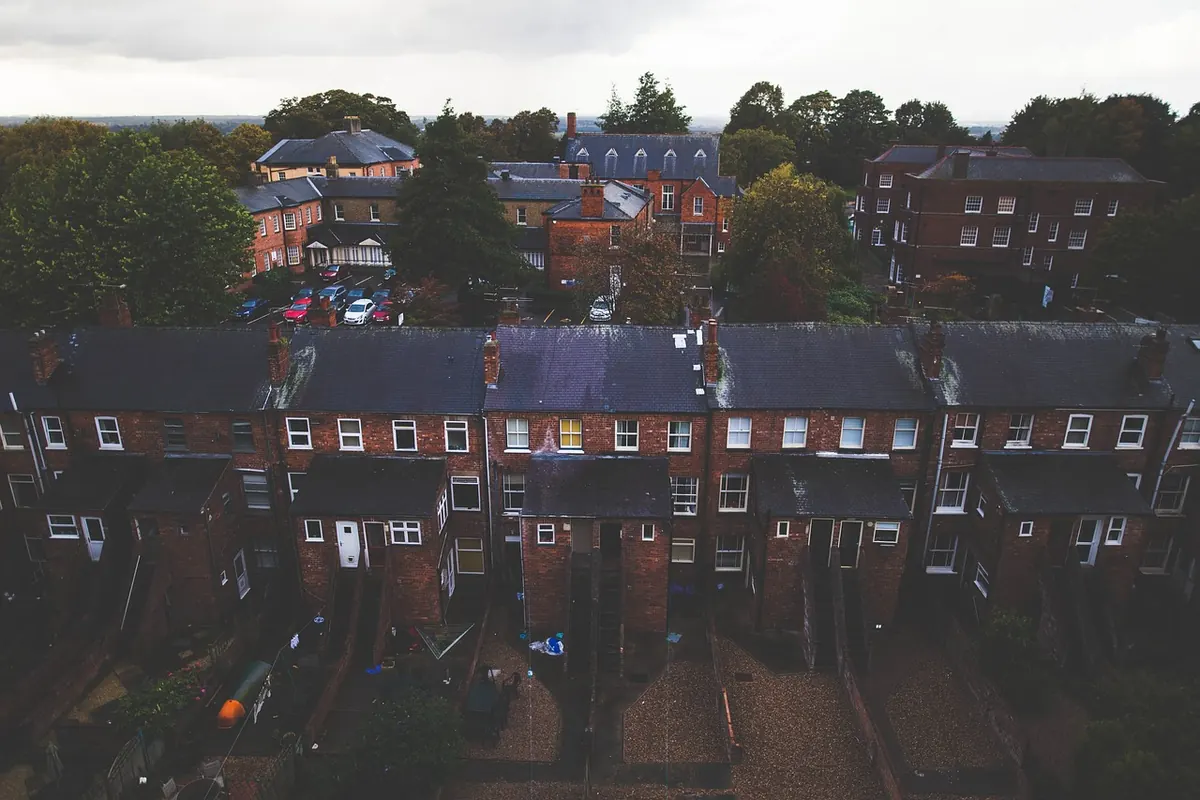
Two houses on the same street. Same bins, same streetlights, same junction that floods after heavy rain. One household pays several hundred pounds a year more in council tax than the other, and usually nobody has made a mistake. The difference is built into the system, and it has been sitting there largely untouched for more than three decades.
Council tax is the largest bill most households face after their mortgage or rent, and it is one of the least understood. Here is how the bands work, why two similar homes can sit in different ones, and when it is worth pushing back.
Council tax replaced the poll tax in 1993 across England, Scotland and Wales. Rather than taxing people, it taxes dwellings — and every dwelling was placed in a band according to what it would have sold for on 1 April 1991.
That date is the whole story. In England and Scotland, the valuation has never been redone. Your band reflects a property market that existed before most of today's housing stock was built and before the internet changed how anything is bought or sold. Wales revalued once, with new bands taking effect in 2005, and added a ninth band at the top.
New homes are not exempt. When a new build is banded, it is assessed on what it would have been worth in 1991 if it had existed then.
England and Scotland use eight bands, A to H. Wales uses nine. Every bill is calculated as a proportion of band D, which is the benchmark councils use when comparing themselves with each other.
Read that last line again. A band H property pays three times what a band A property pays. The bands were never a straight proportion of value — the ratio was compressed from the outset, so the top band carries a far lighter load than the value of the property would suggest. Thirty-odd years of house price growth have stretched that further still. A former pit terrace and a townhouse in a wealthy London square can sit in the same band if they happened to be worth similar amounts in 1991.
Council tax is devolved, so the details change the moment you cross a border.
Bands A to H, based on 1991 values. Bills are set by councils, with separate precepts for police, fire and, in some areas, parish or town councils. The Valuation Office Agency (VOA) decides bands.
Also bands A to H on 1991 values, assessed by local assessors, though the band ranges themselves differ from England's. Scottish bills include water and sewerage charges, collected alongside council tax rather than billed separately.
Bands A to I, based on 2003 values — the only part of the UK to have revalued since the tax was introduced.
There is no council tax at all. Households pay domestic rates, based on a capital valuation of the property rather than a band.
Banding quirks are only part of it. Most of the difference between two similar bills comes from discounts and local decisions.
The most common mistake is appealing on the grounds that your house is now worth less than next door's. That is not the test. The question is whether your band was correct against the property's value on the valuation date — 1991 in England and Scotland, 2003 in Wales.
There are genuine grounds, though:
Start by checking your band and comparing it with nearby properties: the VOA's online service covers England and Wales, the Scottish Assessors Association covers Scotland, and Land & Property Services covers Northern Ireland. If you decide to challenge, do it in writing and keep copies. In England and Wales there is normally a six-month window from the point you became responsible for the property, though a change of circumstances can open the door later.
One warning worth taking seriously: a challenge can move your band up as well as down. Check the evidence properly before you raise it.
Keep paying while you wait. Withholding council tax does not strengthen a case — it produces reminders, summonses and costs, while the band challenge continues separately. If money is tight, speak to the council's revenues team or Citizens Advice before arrears build. For anything involving debt, benefits or a dispute over who is liable, independent professional advice is worth the phone call.
Revaluation does not automatically mean bigger bills. Done revenue-neutrally, the total collected stays the same and the shares shift: properties in areas where values have climbed fastest move up, and those where they have lagged move down. That is precisely why it is politically difficult. Nobody votes for a system that might put them in a higher band, even if the average bill is unchanged.
England's bands remain anchored to 1991. Wales revalued once and has since postponed doing it again. Scotland has commissioned and shelved reform proposals more than once. The result is a tax increasingly disconnected from what property is actually worth, and one that falls hardest — relative to value — on households in places where prices have risen least.
Four practical steps, in order. First, look up your band and note the bands of half a dozen similar properties nearby. Second, check you are claiming what you are entitled to: the single person discount, any disregard, and your council's reduction scheme if money is tight. Third, if the evidence suggests your band is too high, ask for a review — but read the risks before you do. Fourth, if you are in arrears or facing a summons, get free advice early rather than late.
Council tax is not going anywhere, and the argument about how fair it is will run for years yet. In the meantime, knowing which band you are in, why, and what can change it is the difference between paying what you owe and paying more than you should.
Photo: StockSnap / Pixabay
A practical guide to running a respectful, well-moderated community debate in your local pub, from choosing a fair...

A practical pre-signing guide for UK renters on deposits, fees, repairs and eviction rules, with the differences...
October 10, 2026 - Culture
October 04, 2026 - Media
Copyright © 2026 Folly Stand. All Right Reserved.