How to Host a Civil Debate Night in Your Local Pub
October 10, 2026 - Culture


October 10, 2026 - Culture

October 04, 2026 - Media
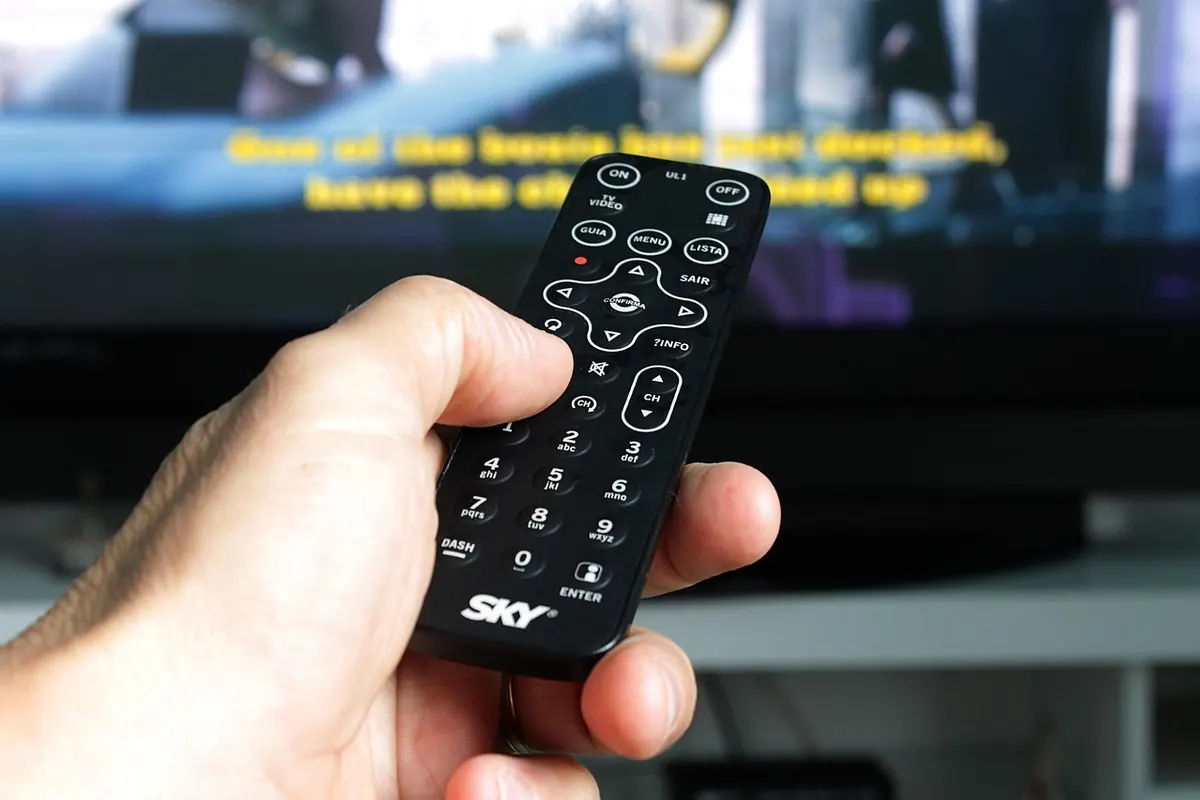
Most of us have shouted at the television at some point. Very few of us have done anything about it afterwards. Ofcom, the UK's communications regulator, fields tens of thousands of complaints a year, and the gap between "that was outrageous" and "that broke the Broadcasting Code" is wider than most viewers imagine. Here's how the system works, what evidence you need, and what you can reasonably expect to happen next.
Ofcom's remit is broad. It licenses and regulates broadcast television and radio, on-demand services such as BBC iPlayer, ITVX and All 4, video-sharing platforms, and — since the Online Safety Act — online services that host material posted by users. It also looks after telecoms, broadband, mobile networks and the post, which is why a complaint about a swear word before the watershed and a complaint about a missed delivery end up in the same building.
What it cannot do is just as important. Ofcom does not rule on newspaper or magazine articles, it does not police individual social media posts, and it will not remove content at your request. It doesn't handle advertising either — TV and radio ads are dealt with by the Advertising Standards Authority.
The Broadcasting Code is the document Ofcom uses to judge programmes. It covers protecting children (hence the 9pm watershed), harm and offence, crime, religion, due impartiality and accuracy in news, fairness, privacy, and commercial references.
Two sections catch people out. Due impartiality applies to news and current affairs and requires that a range of significant views is represented over a reasonable period — not that every programme gives equal time to every argument. Accuracy applies to news in a material way: a genuine factual error that changes the meaning of a report matters; a contested political claim reported as a claim usually doesn't.
Privacy and fairness are separate. If you or your family were featured without consent, or you think you were treated unfairly, Ofcom expects you to raise it with the broadcaster before it will consider the complaint.
Ofcom asks for complaints about broadcasts to be made within 20 working days of transmission — roughly a month. Miss that window and you'll usually be out of luck, so note the details while they're fresh rather than drafting an essay a fortnight later.
For most standards complaints you can go straight to Ofcom. Going to the broadcaster first is still worth doing: it gives you a reference number, a paper trail, and a sense of whether anyone there thinks the programme went wrong. Complaints about BBC programmes follow the same logic — the BBC's own complaints process first, then Ofcom if you're unhappy with the response.
Ofcom's staff read a lot of complaints, many of them furious and vague. The ones that get acted on are calm, specific and well evidenced. Aim for half a page.
Leave out the capitals, the sarcasm and the demands for sackings. Stick to what happened, when, and why it matters. If the complaint is about you personally, say so in the first sentence.
Under the Online Safety Act, Ofcom is now the online safety regulator as well as the broadcasting one. Large platforms have duties to assess risk and to put systems in place to remove illegal content and protect children. But the complaint route still starts with the platform. Ofcom does not investigate individual posts, does not issue takedown orders on your behalf, and does not award compensation.
If what you've seen is criminal — threats, harassment, images of child abuse — report it to the police or to the relevant specialist reporting service, not just to Ofcom. Ofcom's role is to examine whether a platform's systems are up to scratch, which is a slower and more structural question.
Most complaints are assessed and closed without an investigation. Ofcom publishes a fortnightly bulletin listing complaints received and the cases it has decided to pursue, so you can see the scale of the filtering for yourself.
If Ofcom does investigate, it takes months, often a year or more. A broadcaster found in breach may be required to read out a summary of the findings, or face a financial penalty. Serious or repeated breaches can put a licence at risk. The complainant, though, is rarely written to individually — you find your case in a public document, recorded by programme and date.
That isn't nothing. Upheld findings shape what broadcasters will risk next time. But it's a public accountability process, not a personal remedy. If a programme has damaged your reputation or intruded into your private life, Ofcom cannot award you damages or force an apology to you. That needs a solicitor who works in media law, and it's worth asking promptly, because reputation and privacy claims tend to carry tight deadlines.
Write the details down within a day or two, while you can still remember timings. Work out who actually owns the problem: broadcaster, advertising regulator, press regulator, platform, or Ofcom. Send a short, factual complaint to the broadcaster or platform first and keep the reference. If you get nowhere, take it to Ofcom inside the 20-working-day window for broadcasts. Then accept that the outcome will be published rather than posted to you.
Complaining works best when it's treated as record-keeping rather than catharsis. The people who get results are usually the ones who wrote it down carefully, kept it brief, and sent it to the right address.
Photo: Gadini / Pixabay
A practical guide to running a respectful, well-moderated community debate in your local pub, from choosing a fair...
A practical pre-signing guide for UK renters on deposits, fees, repairs and eviction rules, with the differences...
October 10, 2026 - Culture
October 04, 2026 - Media
Copyright © 2026 Folly Stand. All Right Reserved.