How to Host a Civil Debate Night in Your Local Pub
October 10, 2026 - Culture


October 10, 2026 - Culture

October 04, 2026 - Media
Every January thousands of us sit down with a bank statement and try to work out where the money went. Almost nobody does the same with the news. We hand hours a week to a feed designed to keep us scrolling, and rarely ask what it is doing to our mood, our opinions or our sleep. A news diet is not just a metaphor. It is a set of habits, and habits can be edited.
Before you change anything, look at what you actually consume. Most people overestimate their broadsheets and underestimate their scroll. The gap between the two is where the trouble usually lives.
That last question is the useful one. News that informs a decision — a council vote, a strike, a change in the rules — earns its place. News that only generates feeling is entertainment, and should be budgeted like it.
Rage-bait is not the same as bad news. War, inflation and hospital waiting lists deserve your attention precisely because they are grim. Rage-bait is different: it is content engineered so that the anger arrives before the facts do.
The tells are consistent. A headline that tells you how to feel before you know what happened. A story framed as a fight between two camps, with no room for anyone in between. A question mark doing the work of a claim. A quote from someone you have never heard of, promoted as though it spoke for millions. A comment section that is plainly the point of the piece.
If you cannot answer the second question, you have not read a story; you have read a mood.
Close the tab.
Diversity here does not mean reading one paper from the left and one from the right and calling it balance. It means building a small stack that does different jobs.
If you want a sense of how your habits compare, Ofcom publishes an annual report on news consumption in the UK. It is dry, but it is honest, and it usually confirms that the feed is doing more of the work than we think.
January resolutions fail when they rely on willpower alone. Change the defaults instead.
A short note on wellbeing: if the news is affecting your sleep, your appetite or your anxiety, cutting back is sensible but is not a substitute for proper support. Speak to your GP if it persists.
Most of us inherit our news habits from the people around us. A relative who forwards a link every morning, a colleague who narrates the day's outrage at the kettle. You do not need to win those conversations. Ask what they think the story means, rather than whether it is true; you will learn more and the temperature drops. If a thread is reliably making you angry, it is reasonable to say so, once, plainly.
Set aside forty-five minutes this week. No more.
Then leave it. The point is not to become a monk with a broadsheet and a candle. It is to remember that your attention is finite, that someone is always trying to buy it, and that you get to decide what deserves it. Start now, before the year gets loud.
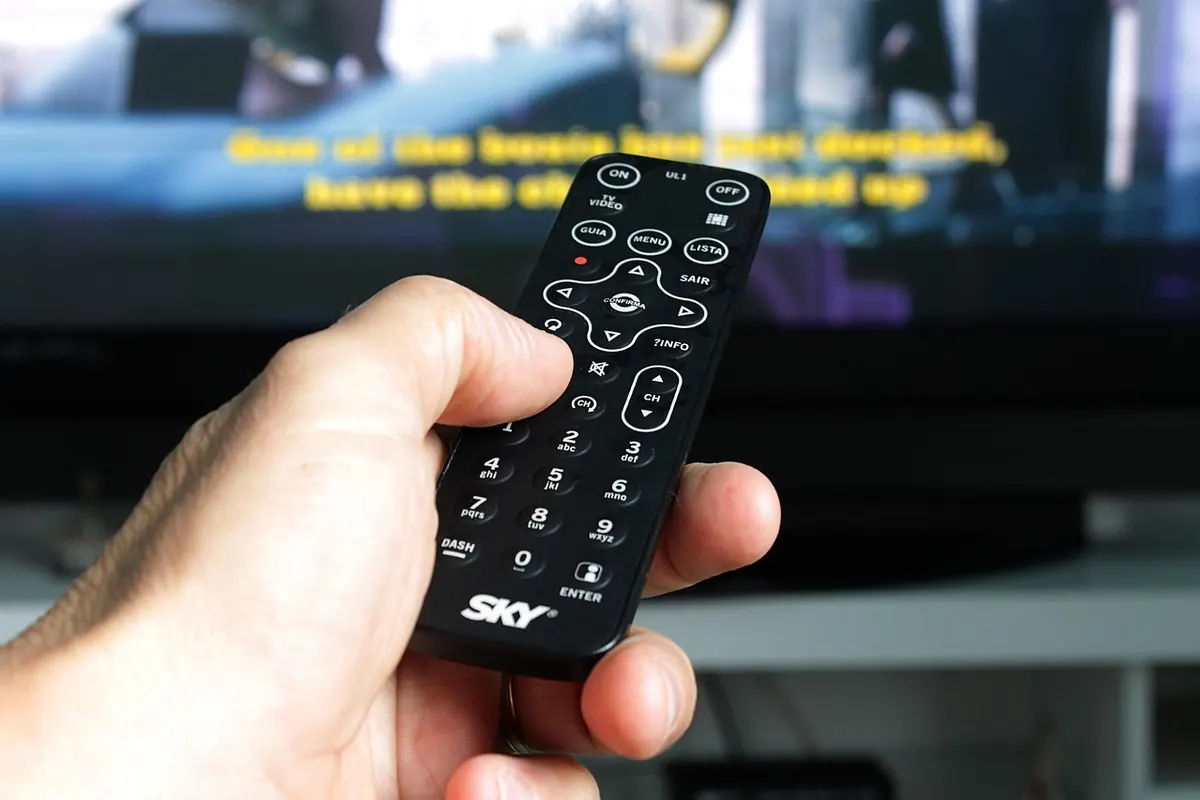
Photo: balouriarajesh / Pixabay
A practical guide to running a respectful, well-moderated community debate in your local pub, from choosing a fair...

A practical pre-signing guide for UK renters on deposits, fees, repairs and eviction rules, with the differences...
October 10, 2026 - Culture
October 04, 2026 - Media
Copyright © 2026 Folly Stand. All Right Reserved.